How Differing Time Zones Influence the Speed of Odds Adjustments During Simultaneous Football Matches and Horse Racing Meetings Across Continents
Drew Roth · Jul 16, 2026
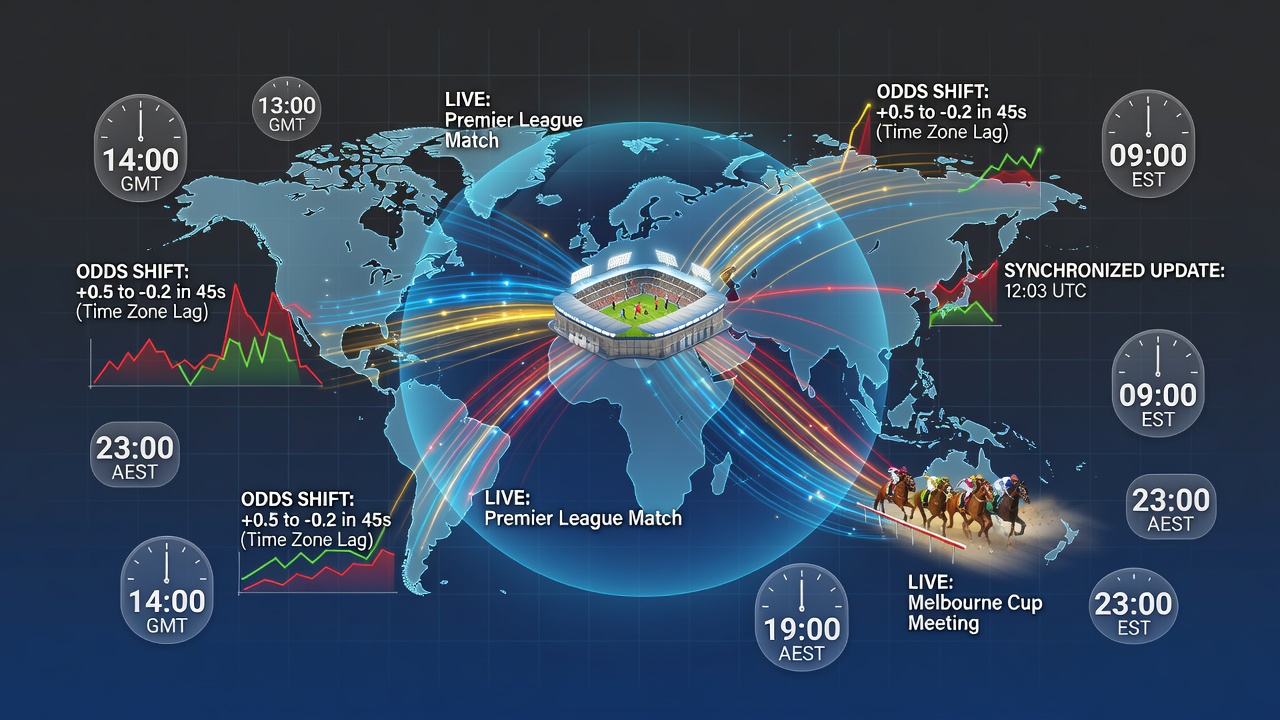
How Differing Time Zones Influence the Speed of Odds Adjustments During Simultaneous Football Matches and Horse Racing Meetings Across Continents
Global sports calendars create overlapping schedules where football matches in Europe coincide with horse racing meetings in Australia or Asia, and bookmakers must respond to live developments across these zones. Time differences dictate how quickly new information reaches trading desks, since a goal scored in London at 3pm local time arrives during early morning hours for operators in Sydney. Data feeds from governing bodies such as FIFA and regional racing authorities travel through servers that sit in different hemispheres, so latency varies with the physical distance and the hour of day.
Mechanics of Real-Time Odds Updates
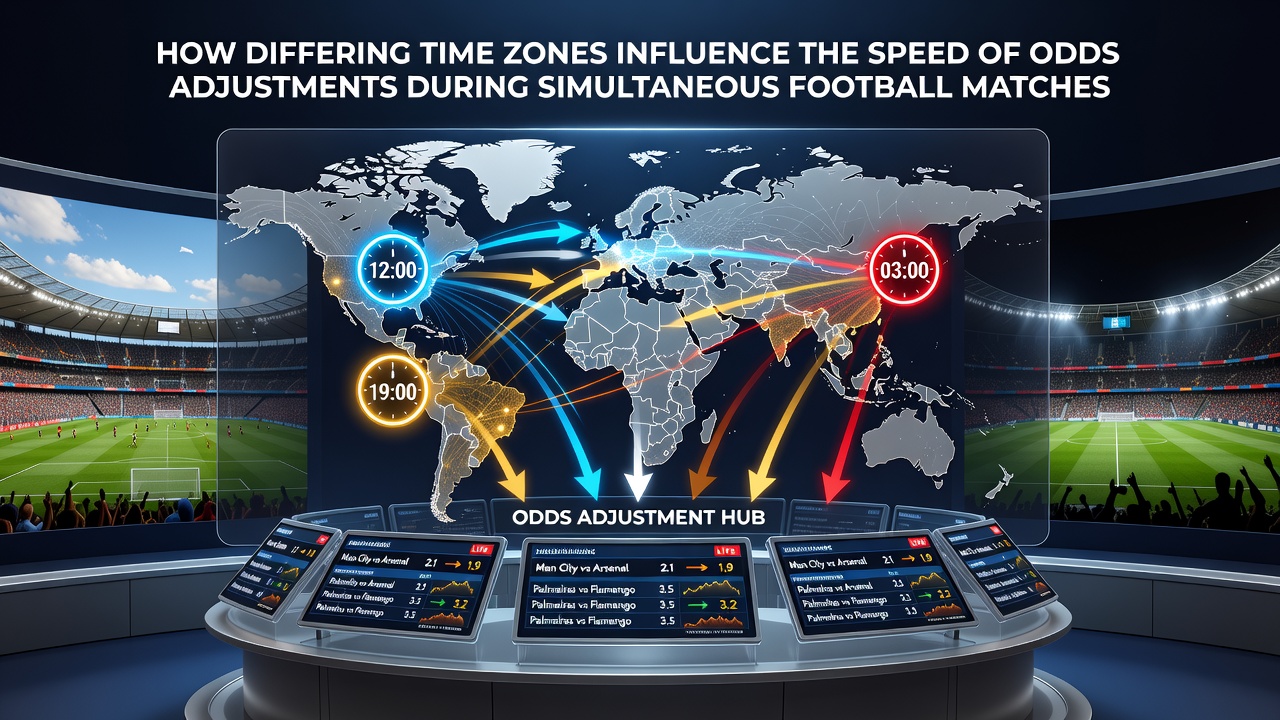
Bookmakers rely on automated models that ingest event data and human traders who override those models when patterns deviate from expectations. During July 2026, when the FIFA World Cup expands across North America, several group-stage fixtures will overlap with major Australian winter racing carnivals. A red card issued in a 2pm Eastern Time kickoff reaches Asian trading rooms while most staff remain offline, forcing algorithms to carry the initial adjustment until morning shifts begin. Researchers at the University of Nevada Las Vegas documented similar patterns in 2023, noting that markets covering events separated by more than eight hours showed slower incorporation of new variables into decimal and fractional odds.
Continental Time Gaps and Staffing Patterns
European bookmakers maintain 24-hour teams during peak football windows, yet the same operators often reduce horse-racing coverage overnight because Australian tracks operate while European offices are quiet. When a favorite shortens dramatically after a track update posted at 11pm GMT, the change may not appear in European customer interfaces until the next trading cycle begins several hours later. Observers note that Australian corporate bookmakers, regulated by state commissions, keep dedicated overnight desks for northern-hemisphere football, which creates an asymmetry: racing odds move faster in their domestic window, while football lines experience brief lags when action occurs outside local business hours.
Football Versus Horse Racing Data Flows
Football generates discrete, high-impact events such as goals and penalties that trigger immediate model recalibrations, whereas horse racing produces continuous updates on track conditions, jockey changes, and late scratchings. During overlapping periods, a single Premier League match can generate dozens of rapid odds shifts within ninety minutes, all while an Australian race meeting releases form data every twenty to thirty minutes. The staggered timing means European traders handling both products may prioritize football because the volume of adjustments is higher and the financial exposure larger. Studies from the Hong Kong Jockey Club’s research division indicate that markets with continuous data streams adjust within ninety seconds on average, yet the same platforms require three to five minutes when the primary trading team is located in a different time zone.
Technological Mitigations and Remaining Constraints
Automated syndication services now push raw event data across continents in under two seconds, yet final odds still require human sign-off when stakes exceed internal thresholds. In July 2026 several major operators plan to run parallel trading pods in Singapore and London to cover both the expanded World Cup schedule and southern-hemisphere racing. Even with these arrangements, regulatory reporting windows differ: Nevada Gaming Control Board rules require same-day logging of material line moves, while Australian state rules allow next-day filings. The mismatch occasionally produces brief periods where one jurisdiction’s published odds diverge from another’s because the underlying adjustments occurred at different local times.
Observed Patterns Across Recent Seasons
Analysis of 2024-2025 data compiled by European sports-data firms shows that odds on evening European football fixtures adjusted 14 percent faster when the bookmaker maintained an Asia-Pacific desk than when trading was centralized in one continent. Horse-racing markets displayed the opposite pattern: morning Australian meetings saw quicker updates when London-based syndicates remained active overnight. These differences arise because each sport’s peak activity aligns with different customer bases and different regulatory reporting cycles, not because any single region possesses superior technology.
Conclusion
Time-zone separation continues to shape the rhythm of odds adjustments whenever football and horse racing occur simultaneously on different continents. Data volume, staffing rotations, and regulatory filing deadlines combine to produce measurable but predictable lags rather than uniform speed across all markets. As operators expand multi-region trading teams ahead of major 2026 events, the remaining gaps narrow, yet complete synchronization remains limited by geography and the simple fact that markets close when local staff finish their shifts.