Data Streams Reshaping Multi-Sport Wager Layers in Global Events
Jakob Müller · Jun 30, 2026
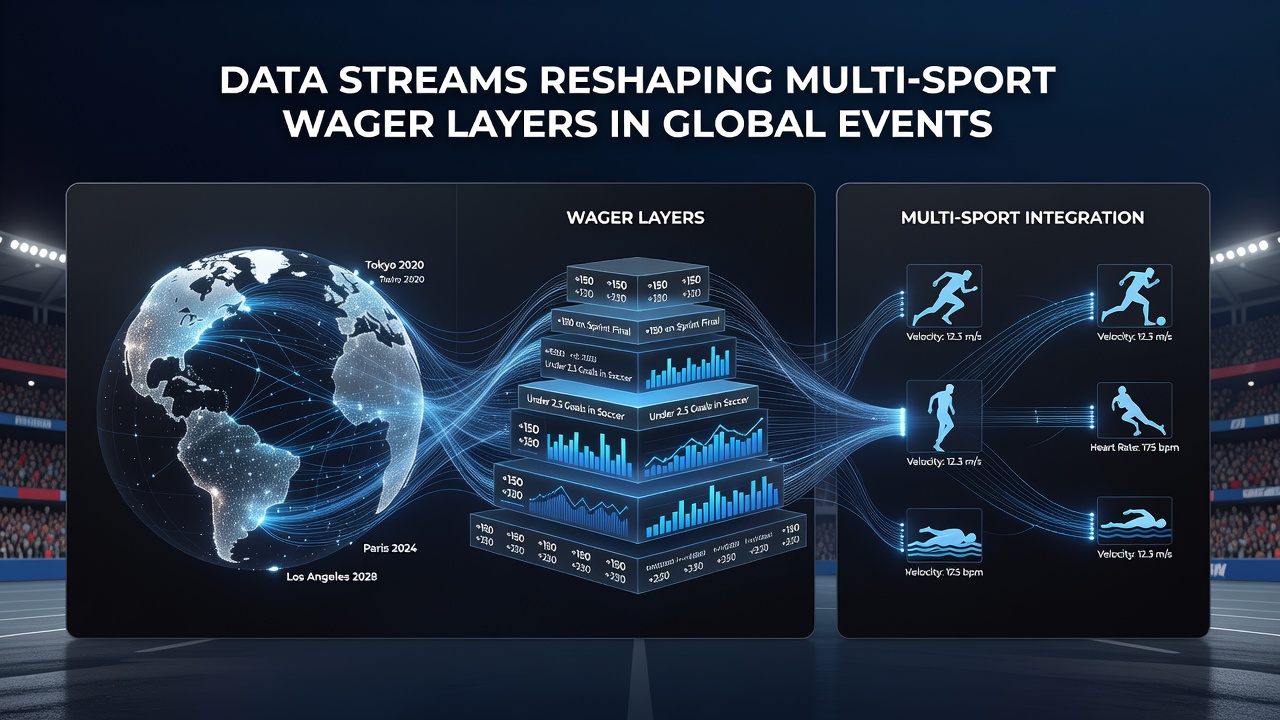
Data Streams Reshaping Multi-Sport Wager Layers in Global Events
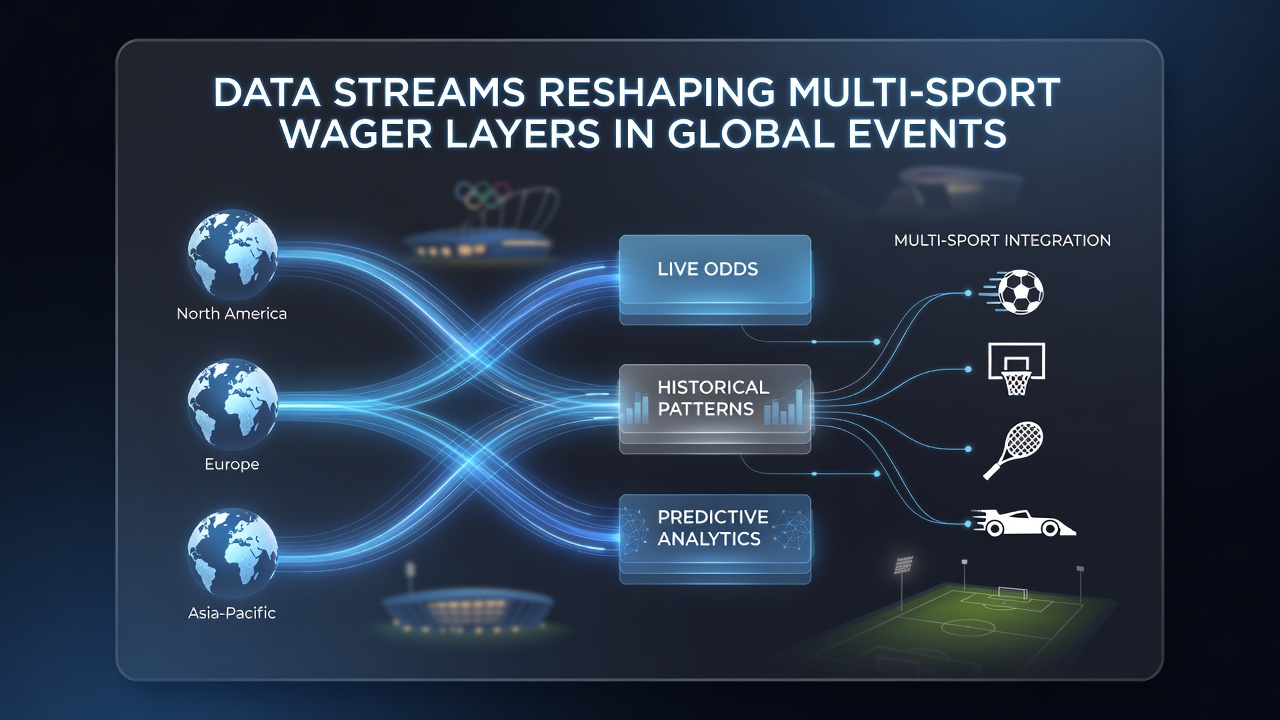
Data streams from sensors, cameras, and official feeds now feed directly into betting platforms and this integration allows wager layers to update across football, tennis, and horse racing within seconds of each development on the field or track. Platforms aggregate these inputs through application programming interfaces that pull live statistics and event triggers then route them to accumulator builders and risk engines. Observers note that the speed of this flow reduces latency between an occurrence and an adjusted price which in turn lets users construct layered positions that span several disciplines at once.
Core Mechanisms Behind the Shift
Modern data pipelines combine optical tracking systems with official league data and this combination supplies granular metrics such as player movement heat maps, serve speeds, and sectional times. These metrics enter centralized servers that normalize values across sports before distributing them to front-end calculators. Research from the University of Nevada Las Vegas Center for Gaming Research shows that platforms handling simultaneous events rely on these normalized streams to maintain consistent pricing models even when one sport pauses and another continues. The process creates multi-sport wager layers that adjust automatically rather than through manual intervention.
Application During Overlapping Global Calendars
June 2026 will see the FIFA World Cup opening matches coincide with several major tennis tournaments and summer racing festivals which creates an environment where data streams must handle concurrent inputs from stadiums, courts, and tracks. Systems route football possession data alongside tennis point-by-point updates and equine performance figures into a single interface. Bettors can therefore link a goal probability shift in one match with a service-break likelihood in another and a late pace change in a stakes race. Industry reports indicate that such cross-sport layering has grown as bandwidth and processing capacity have expanded.
Regulatory and Infrastructure Considerations
Authorities in multiple jurisdictions have begun examining how continuous data feeds affect transparency requirements and this scrutiny includes audits of timestamp accuracy and source verification protocols. The Australian Communications and Media Authority has published guidance on data integrity for wagering operators while Canadian provincial regulators have issued parallel statements on real-time reporting standards. These frameworks emphasize that operators must maintain audit trails linking each price change to an originating data packet. Compliance teams therefore integrate logging mechanisms that record both the stream content and the downstream wager adjustments.
Technological Components in Use
Edge computing nodes positioned near event venues preprocess raw sensor output and this reduces transmission delays before the information reaches central risk models. Cloud-based orchestration layers then apply sport-specific algorithms that convert the cleaned data into probability adjustments. One study released by researchers at the University of Sydney documented latency reductions of up to forty percent when operators deployed such distributed architectures during multi-venue tournaments. The same infrastructure supports features such as partial cash-out options that recalculate remaining value across an accumulator spanning different sports.
Future Trajectory of Stream Integration
Developments in 5G network slicing and satellite backhaul continue to expand coverage for remote racing and tennis venues and these improvements allow data streams to maintain consistency even when primary terrestrial links experience congestion. Operators test additional sensor types including wearable athlete devices and drone-based camera arrays that generate new data categories for inclusion in wager calculations. As the volume of available inputs rises the complexity of multi-sport layers increases yet the underlying requirement remains stable pricing derived from verified sources.
Conclusion
Data streams have established a technical foundation that connects disparate sports into unified wagering environments and this foundation supports the construction of layered positions during periods of overlapping global calendars. Continued investment in processing infrastructure and regulatory alignment will determine how these capabilities evolve through 2026 and beyond. The result is a measurable expansion in the ways participants interact with events across multiple disciplines using a single data-driven interface.